The Hidden Problems Caused by Dirty Air Ducts in Everyday Living
Most people notice air ducts only when something goes wrong. A room starts smelling stale, dust settles faster than usual, or the HVAC system seems to run longer without making the house comfortable. By then, the problem has usually been building for a while. Dirty air ducts do not announce themselves with a dramatic failure. They work quietly in the background, affecting air quality, comfort, energy use, and even how often a home needs cleaning.
That is what makes them easy to ignore and expensive to overlook.
I have seen homes where the occupants blamed allergies, humidity, or a “weak” air conditioner, when the real issue was sitting inside the ductwork. In some cases, the buildup was mostly ordinary household dust. In others, it included pet hair, pollen, construction debris, insulation fibers, or signs of moisture that had been trapped inside the system. The damage from dirty air ducts is rarely limited to one symptom. It tends to spread, slowly and inconveniently, into daily life.
Air ducts are part of the living environment, not just the mechanical system
It is tempting to think of ductwork as a hidden utility, something separate from the rooms people actually live in. In practice, ducts are part of the indoor environment. Every time the system cycles on, air passes through those channels and returns to the rooms you sleep in, cook in, work in, and share with family. If the ducts are contaminated, the system can move that contamination around the house.
That does not mean every duct needs to be spotless at all times. A certain amount of dust inside a forced-air system is normal. The issue is accumulation. When dust layers combine with moisture, lint, pet dander, construction residue, or microbial growth, the system stops behaving like a neutral pathway and starts acting like a delivery route for irritants.
A house can look clean and still have dirty air ducts. That is one of the more frustrating parts of the problem. People will wipe surfaces, vacuum frequently, and run air fresheners, yet still deal with gritty dust or a persistent stale smell because the source is inside the system rather than on top of it.
The first problem most people notice is poor indoor air quality
The most immediate effect of dirty air ducts is often the easiest one to miss because it feels vague. The air just seems “off.” It may not smell strongly bad. It may not trigger an obvious event. But it can feel heavier, less fresh, or slightly irritating to breathe.
For households with children, older adults, or anyone with asthma or seasonal allergies, that matters. Pollen that entered during one season can remain lodged in ducts and be recirculated later. Fine dust from remodeling can linger far longer than people expect. In homes with pets, hair and dander can accumulate in corners of the system and get blown back into rooms in small but steady amounts.
The effect is not always dramatic enough to tie to one specific hour or one specific vent. Instead, it shows up as a pattern. Someone wakes with a dry throat more often. A family member sneezes when the system starts. A home office feels dusty by midweek even after it was cleaned on Monday. Those patterns are worth paying attention to.
An HVAC duct inspection can help sort out whether the issue is just ordinary household dust or a larger buildup inside the ductwork. That inspection is often the difference between guessing and knowing.
Dust is only the beginning
People hear “dirty air ducts” and picture gray dust clinging to metal. That is part of it, but not the whole story. Dust behaves like a sponge in ductwork. It traps and holds other materials.
In homes with high humidity or minor condensation, dust can combine with moisture and create a surface that supports microbial growth. In homes near renovations or older construction, dust may include drywall fragments, wood particles, or insulation fibers. In homes with recent pest activity, ducts can collect droppings, nesting debris, and the odors that come with them. Even ordinary cooking vapors can contribute to residue over time, especially if the return air path draws from areas where grease particles settle.
The danger is not that every dirty duct automatically becomes a hazard. The danger is that the buildup changes over time. What starts as dust can become a broader contamination issue, and the longer it sits, the harder it is to remove fully.
This is where the duct cleaning benefits become more than a marketing phrase. Proper cleaning is not about making a hidden surface look neat. It is about removing accumulated material that can keep affecting the whole house.
Dirty ducts can make a home smell stale even when it is clean
Odor is one of the most overlooked symptoms. A home can be spotless and still carry a stale, dusty, or slightly musty smell that returns after the windows are shut and the system runs. People often blame carpets, trash, or humidity before they suspect the ductwork. Sometimes they are right. Other times the smell is coming from debris inside the supply or return lines.
What makes duct-related odors difficult is that they tend to intensify when the system is running. That creates a strange contradiction. Cleaning the house does not solve the problem because the source keeps circulating. Scented candles and plug-ins only cover it for a while, and in some cases they make the air feel even heavier.
If an odor seems to return after every cleaning cycle, or it appears strongest near certain vents, the duct system deserves a closer overnight emergency ac repair look. A professional air duct cleaning Winter Haven homeowners can schedule is often sought for this exact reason, especially in climates where humidity makes odors linger.
The HVAC system can lose efficiency
Dirty ductwork does not usually destroy an HVAC system overnight, but it can make the equipment work harder than necessary. When dust and debris collect in the system, airflow can become less consistent. Registers may push air unevenly from room to room. The system may cycle longer to reach the same temperature. In some homes, one area feels cold while another feels stuffy, even though the thermostat reads normal.
That imbalance often leads people to adjust the thermostat more often, which increases runtime and energy use. A homeowner may not realize that the system is compensating for restricted or uneven airflow caused in part by dirty air ducts. The machine is not just cooling or heating the house. It is fighting resistance.
There is also a maintenance angle. Extra strain on a blower motor, coil, or filter can shorten the interval between service calls. Duct cleaning is not a cure-all, and it will not fix a failing compressor or a poorly sized system. But when duct contamination is part of the load, removing it can improve how the entire system behaves.
More dust on furniture often means more dust in the ducts
A common complaint goes like this: “I just cleaned yesterday, and the shelves are dusty again.” That does not automatically point to ductwork, but it often belongs in the conversation.
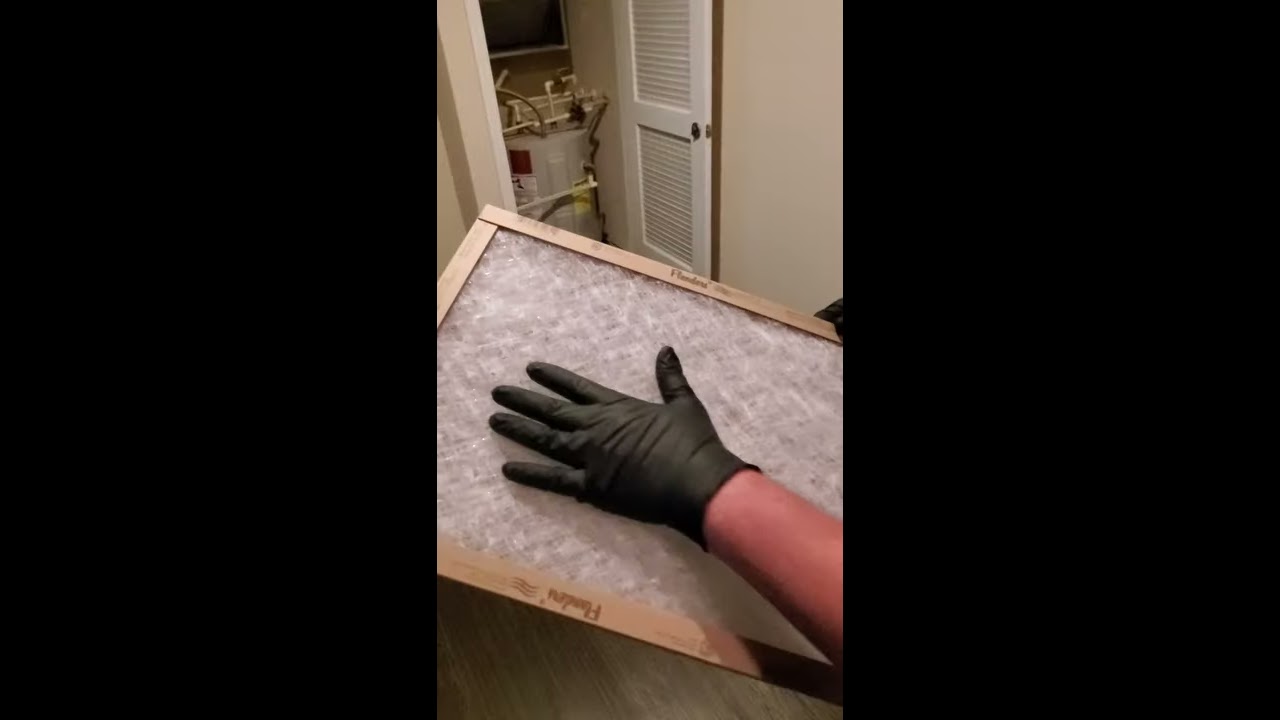
Dirty air ducts can recirculate fine particles that settle on flat surfaces faster than expected. This is especially noticeable in homes with dark furniture, open shelving, or strong sunlight, where dust becomes visible quickly. People often clean the same surfaces repeatedly without noticing that the pattern is tied to air circulation. The return vents pull air in, the supply vents push it out, and particles move along with that cycle.
In practical terms, this can become a nuisance that affects how people keep their homes. They spend more time dusting, vacuuming, and laundering soft furnishings. It is not a dramatic problem, but it wears on people. Over weeks and months, that extra maintenance becomes one more quiet cost of ignoring the ducts.
Health complaints can get mislabeled when the real issue is airflow contamination
It is easy to overstate the health impact of dirty ducts, and responsible professionals should avoid doing that. Duct contamination is not the cause of every cough, headache, or sinus flare. Still, it can contribute to symptoms in susceptible people, especially when the system repeatedly circulates dust, dander, or irritants.
The tricky part is that symptoms often overlap with other causes. A person may have seasonal allergies, a pet at home, or a workplace exposure that complicates the picture. That is why a careful HVAC duct inspection matters. It helps separate what is happening inside the home from what is happening elsewhere.
In real homes, the issue is often cumulative. A small amount of dust in the ducts, a clogged filter, a humid room, and a few weeks of heavy pollen can combine into a noticeable irritation. Nobody points to a single dramatic event. They just feel worse at home than they should.
Some homes are far more vulnerable than others
Not every house collects contaminants the same way. Homes with pets, smokers, frequent cooking, or a lot of foot traffic generally load the system faster. So do homes that have recently been renovated, especially if drywall sanding or demolition happened without strong dust control. Houses with leaky returns or gaps around duct connections can pull in attic dust, crawlspace debris, or insulation fibers.
Climate matters too. In places with high humidity, such as much of central Florida, moisture can complicate the picture. That is one reason air duct cleaning Winter Haven residents request often comes after a humid season, a long period of closed windows, or a stretch of AC use that reveals odors or dust issues more clearly.
Older homes can also be challenging. They may have ductwork with more joints, older insulation materials, or areas that have never been properly sealed. A system can run for years and still quietly accumulate debris in sections that are hard to see from the registers alone.
When duct cleaning helps, and when it does not
There are real duct cleaning benefits, but they are easiest to see when the problem is defined correctly. Cleaning can help when there is visible buildup, recent construction dust, pest contamination, mold growth tied to moisture, or persistent debris that is clearly affecting air movement or odor. In those cases, the work can restore cleaner airflow and reduce a recurring source of irritation.
Cleaning is less helpful when the real problem is elsewhere. A neglected filter will keep loading the ducts again. A leaky return can keep pulling in attic dust. A moisture problem can keep feeding growth inside the system. A poorly maintained coil can collect grime even if the ducts themselves are cleaned. If those issues are not addressed, the result may only be temporary.
That is why a good service starts with diagnosis, not with a sales pitch. You want someone who can explain what they found, where the contamination is located, and whether the issue is widespread or limited to one part of the system.
What a careful inspection usually reveals
A proper HVAC duct inspection should look beyond the vent covers. Technicians need to evaluate the return side, supply runs, accessible trunk lines, the air handler, filter condition, and visible signs of moisture or debris transfer. In some homes, the ducts are not the main problem at all. The filter housing may be loose, the blower compartment may be dirty, or the evaporator coil may be clogged enough to mimic a duct issue.
This is where experience matters. A rushed inspection can miss the difference between surface dust and a deeper contamination problem. A careful one can identify whether the system needs cleaning, sealing, repairs, or simply better maintenance.
Homeowners sometimes expect a one-time cleaning to solve everything. It can certainly make a meaningful difference, but it should be part of a larger maintenance picture. If the system keeps drawing in dirt, the problem returns.
Practical signs that should not be ignored
Certain warning signs tend to show up before people realize their ducts need attention. Persistent dust on registers, a musty smell when the air starts, uneven airflow, unexplained allergy irritation, visible debris around vents, and a filter that loads unusually fast all deserve a closer look. If several of these are happening at once, the case for inspection becomes stronger.
There is no need to panic over one dusty vent cover. Houses collect dust. That part is normal. What matters is the pattern and the rate. If the system seems to be feeding the same problem back into the rooms, the ducts may be part of the cycle.
A good rule in practice is to pay attention when the issue returns quickly after cleaning, or when it improves briefly and then comes back as soon as the HVAC runs. That kind of rebound often points to a hidden source.
A home feels different after the problem is corrected
People sometimes describe the change after duct cleaning in surprisingly simple terms. The air feels lighter. The house smells cleaner without using scented products. Dusting takes less time. Rooms that used to feel stuffy begin to feel more even. None of that sounds dramatic on paper, but in daily life it changes how a home is experienced.
The effect is not universal, and it is not instant magic. If the home has other issues, like a failing filter setup, high humidity, or poor sealing, those still need attention. But when dirty air ducts have been adding a constant layer of irritation, removing that burden often creates a noticeable difference.
That is what makes the work worthwhile. Not because the ducts are visible, but because they influence so much of what people notice every day. Air quality, odor, dust, comfort, and system performance all connect back to the same hidden network.
Dirty air ducts are easy to underestimate because they operate out of sight. Yet they affect the rhythm of a home in subtle, persistent ways. They can worsen stale odors, scatter dust, contribute to irritation, and make an HVAC system work harder than it should. They can also hide other problems, from moisture concerns to pest debris, until the evidence becomes too obvious to ignore.
If a home has been harder to keep fresh, dustier than it should be, or less comfortable in ways that do not seem to add up, the duct system deserves attention. A professional inspection can clarify whether the issue is minor maintenance or a deeper contamination problem. In either case, knowing what is happening inside the ducts gives homeowners something far more useful than guesswork. It gives them a clear path to cleaner air and a more predictable home environment.
Phone:
(863) 247-0271
Website:
icecoolinghvac.com
Indoor Climate Experts
296 Lake Smart Circle,
Winter Haven,
FL
33881